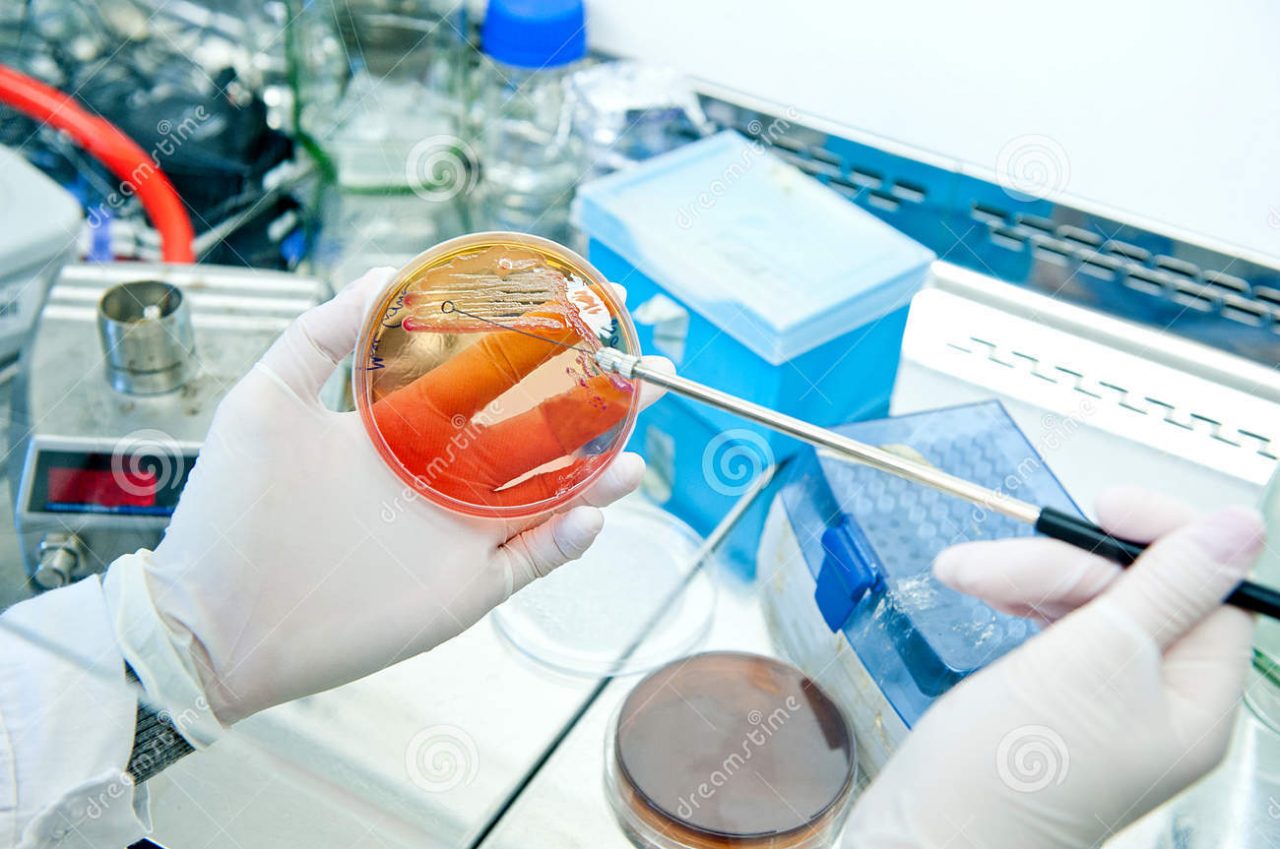
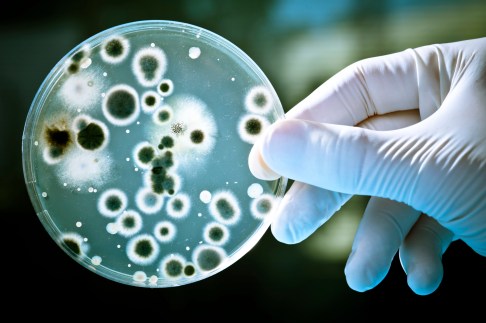
Antibiotic resistance is generally referred to when a bacteria gains the ability to resist the effects of an antibiotic. This is usually induced by a change in the bacteria that decreases the effectiveness of an antibiotic. The so-called “super-bugs” found in hospitals and other areas are some of the typical antibiotic resistant bacteria, where antibiotics (the best treatment) are completely useless to cure the infection.1
Antibiotic resistance is one of the most serious health threats the world is currently facing. The failure of antibiotic treatments and infections from antibiotic-resistant bacteria have been all too common; without effective antibiotic therapy, many patients, especially vulnerable ones undergoing treatments such as immunosuppressive therapy, organ transplants, or chemotherapy, may experience compromised safety and efficacy, as physicians are forced to use second or third line therapies which are frequently more toxic, as well as potentially less effective. Therefore, it is crucial that the arsenal of antibiotics available remain effective as possible to treat bacterial infections.
Ever since the discovery of penicillin in 1928 by Sir Alexander Fleming, antibiotics have become an essential part of every healthcare system in the world. Many bacterial diseases, once deadly, are now easily treated with a course of antibiotic therapy. Thanks to antibiotics, along with other modern medical therapies, the quality of life in modern day society has dramatically improved over the past few decades. However, what would happen if these indispensable medications were to lose their efficacy? The impact would be widespread; all across the world, people would suffer from prolonged illnesses, leading to disability or death, from diseases that were previously easily resolved with antibiotics. Billions upon billions of people would be at risk of illness and death if antibiotics were to fail. Currently, in the United States alone, over 2 million people become ill from antibiotic-resistant bacteria, with over 23,000 of these people eventually dying.2 Proper considering is highly advised when using antibiotics for certain types of illnesses (ex. viral infections) and for agricultural/livestock.
References:
-
The Development of Antibiotic Resistance Bacteria [Internet]. Centers for Disease Control and Prevention. 2015 [cited 15 November 2016]. Available from: http://www.cdc.gov/getsmart/community/about/antibiotic-resistance-faqs.html
-
Antibiotic Resistance Threat in the United States in, 2013 [Internet]. Cdc.gov. 2013 [cited 15 November 2016]. Available from: http://www.cdc.gov/drugresistance/threat-report-2013/pdf/ar-threats-2013-508.pdf#page=11
Picture: How Bacteria Work [Internet]. [cited 15 November 2016]. Available from: http://science.howstuffworks.com/life/cellular-microscopic/bacteria.htm
 Antibiotic Resistance